
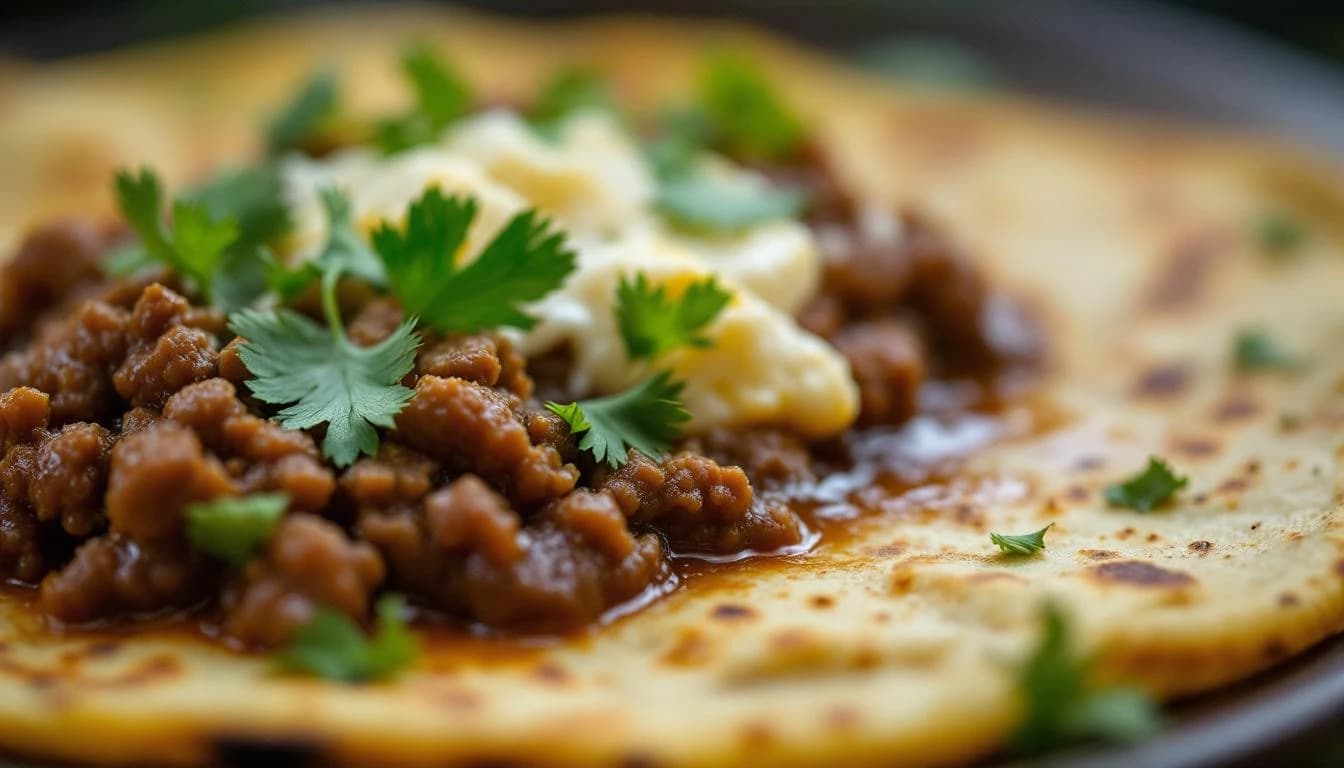
Best Restaurants in Oaxaca 2026: A Local Food Guide
Oaxaca City stands as Mexico's undisputed culinary capital, where centuries-old traditions meet contemporary innovation. The UNESCO World Heritage city has earned international acclaim for its complex moles, artisanal mezcal, and vibrant indigenous food culture. Food & Wine has consistently recognized Oaxaca as one of the world's essential food destinations, and the city's restaurant scene continues to evolve while honoring its deep culinary roots.
From family-run comedores serving seven-mole feasts to innovative restaurants pushing the boundaries of Oaxacan cuisine, these establishments represent the best bites the city has to offer. Each venue on this list was selected for its authentic approach to local ingredients, cultural significance, and exceptional execution.
Traditional Oaxacan Cuisine
Casa Oaxaca El Restaurante
This elegant restaurant in Centro Histórico has garnered praise from Conde Nast Traveler for its refined approach to traditional Oaxacan cuisine. Chef-driven preparations showcase locally sourced ingredients like hierba santa, chepiche, and pitiona in dishes that honor ancestral techniques while appealing to contemporary palates. The mole tastings remain the restaurant's signature experience, featuring multiple varieties served with handmade tortillas. Reservations strongly recommended for dinner service. ($$$$)
La Biznaga
Located in the Xochimilco neighborhood, this intimate restaurant has earned recognition from Garden & Gun for its commitment to pre-Hispanic ingredients and techniques. The kitchen works directly with local producers to source rare chiles, indigenous herbs, and heirloom corn varieties. The tasting menu changes seasonally but consistently features dishes that tell the story of Oaxacan biodiversity. Open for dinner service Tuesday through Saturday. ($$$)
Tlamanalli
This family-run establishment near the Mercado de Abastos specializes in traditional Zapotec cuisine. The restaurant sources ingredients from indigenous communities throughout the Central Valleys, ensuring authenticity in every dish. Their tejate, a pre-Columbian beverage made from corn, cacao, and mamey seeds, has been featured in Saveur as one of Mexico's most important traditional drinks. The clay pot cooking methods and wood-fired preparation create flavors impossible to replicate elsewhere. ($$)
Contemporary Mexican
Criollo
Situated in Centro Histórico, this restaurant has been recognized by the James Beard Foundation for its innovative interpretation of Oaxacan cuisine. The kitchen combines traditional ingredients with modern techniques, creating dishes that surprise while remaining rooted in local tradition. The mezcal program features rare expressions from small-batch producers throughout the state. The restaurant's commitment to supporting local farmers and artisans has made it a model for sustainable fine dining in Mexico. Check their website for current hours. ($$$$)
Origen
This acclaimed restaurant in the Jalatlaco neighborhood focuses on the intersection of indigenous ingredients and contemporary presentation. The chef-driven menu changes frequently to highlight seasonal availability from local producers. Bon Appetit has praised the restaurant's approach to preserving traditional knowledge while creating new flavor combinations. The dining room's design incorporates local textiles and ceramics, creating an atmosphere that celebrates Oaxacan artistry. Reservations essential. ($$$)
Los Danzantes
Known for its innovative approach to traditional Mexican cuisine, this restaurant near Santo Domingo has been featured in Travel + Leisure for its creative mezcal pairings and seasonal menu. The kitchen emphasizes locally sourced ingredients prepared with both traditional and modern techniques. The restaurant's rooftop terrace offers views of the historic center while serving dishes that showcase the complexity of Oaxacan flavors. Open for lunch and dinner service. ($$$)
Casual Dining and Local Favorites
Mercado 20 de Noviembre
This traditional market remains one of Oaxaca's essential food experiences. The smoke-filled aisles house dozens of comedores serving grilled meats, fresh tortillas, and traditional specialties. The tasajo and cecina stalls have been operating for generations, using wood-fired grills that infuse the meat with distinctive smoky flavors. Eater has highlighted this market as an authentic window into daily Oaxacan food culture. The experience is as much about the atmosphere as the food. ($)
Casa Crespo
This family-owned restaurant in Xochimilco has been serving traditional Oaxacan dishes for over three decades. The seven-mole sampler remains their most popular offering, featuring varieties like mole coloradito, mole negro, and mole amarillo. The restaurant's commitment to traditional preparation methods and family recipes has earned recognition from Southern Living as an authentic representation of Oaxacan home cooking. The portions are generous and the atmosphere welcoming. ($$)
Itanoni
Specializing in indigenous corn varieties and traditional nixtamalization, this tortillería has gained international attention for its commitment to heritage grains. The New York Times has featured their work in preserving native corn varieties and traditional preparation methods. The blue corn tortillas and atoles showcase flavors and textures rarely found outside indigenous communities. This is more than a restaurant – it's a cultural preservation project that happens to serve exceptional food. ($)
Mezcal and Bar Culture
In Situ Mezcalería
This mezcalería in Centro Histórico offers one of the region's most comprehensive collections of artisanal spirits. Wine Spectator has recognized their curation of rare and small-batch mezcals from throughout Oaxaca state. The knowledgeable staff provides education about different agave varieties, production methods, and regional differences. Small plates featuring local ingredients complement the spirits perfectly. The atmosphere balances sophistication with approachability. ($$)
Mezcaloteca
Located near the main plaza, this mezcal bar focuses on education and appreciation of traditional production methods. The venue works directly with small producers to offer spirits unavailable elsewhere. The tasting flights provide an excellent introduction to the diversity of Oaxacan mezcal, from espadín to rare wild varieties. The accompanying botanas feature traditional preparations that pair naturally with the smoky spirits. Open evenings Tuesday through Sunday. ($$)
Planning Your Dining Experience
Reservation Tips
Many of Oaxaca's top restaurants operate with limited seating and high demand, particularly during peak tourist seasons. The most acclaimed venues typically require reservations 2-3 days in advance, especially for weekend dining. Several restaurants offer both lunch and dinner service, with lunch often providing better availability and slightly lower prices.
Price Expectations
Oaxaca's dining scene offers exceptional value compared to other international food destinations. Traditional markets and family-run comedores ($) provide authentic experiences at very reasonable prices. Mid-range restaurants ($$-$$$) offer refined preparations and comfortable atmospheres. High-end establishments ($$$$) compete with the world's best while maintaining distinctly Oaxacan character.
Cultural Considerations
Many traditional establishments maintain close connections to indigenous communities and ancestral practices. Showing respect for these traditions enhances the dining experience and supports cultural preservation efforts. Learning basic Spanish phrases and showing interest in local customs demonstrates appreciation for the cultural significance of the food.
Seasonal Dining Highlights
Oaxacan cuisine changes dramatically with the seasons, influenced by local harvests and traditional celebrations. Spring brings fresh herbs and early chiles, while summer features an abundance of tropical fruits and vegetables. Fall coincides with Day of the Dead celebrations, when special dishes and traditional preparations take center stage. Winter offers hearty stews and preserved ingredients that sustained communities through leaner months.
The best bite experiences often depend on timing visits with seasonal availability. Chapulines (grasshoppers) are most abundant during the rainy season, while certain moles require specific chile varieties available only during limited harvest periods. Many restaurants adjust their menus seasonally to showcase peak ingredients.
Oaxaca's restaurant scene continues to gain international recognition while remaining deeply rooted in local tradition. These establishments represent the city's culinary excellence, from time-honored family recipes to innovative interpretations of indigenous ingredients. Whether seeking authentic market experiences or refined contemporary dining, Oaxaca offers unparalleled opportunities to explore one of the world's most significant food cultures. Plan ahead for reservations at the most popular venues, and prepare for a culinary journey that connects ancient traditions with contemporary creativity.
Photos: Photo for Best Bite Guide
You Might Also Like
 best of
12 Best Rooftop Bars in Pittsburgh for Skyline Views & Cocktails
From Strip District warehouses to downtown penthouses, Pittsburgh's rooftop bar scene offers stunning city views paired with craft cocktails and elevated dining.
 best of
Top 10 New Restaurants in Charlotte 2025-2026
Charlotte's dining scene exploded with fresh talent this year. From innovative Korean-Southern fusion to elevated pub fare, these 10 newcomers are reshaping the Queen City's culinary landscape.
 best of
12 Best Brunch Spots in Charlotte for Weekend Warriors
From creative Southern twists to international flavors, Charlotte's brunch scene offers unforgettable weekend dining experiences across every neighborhood.