
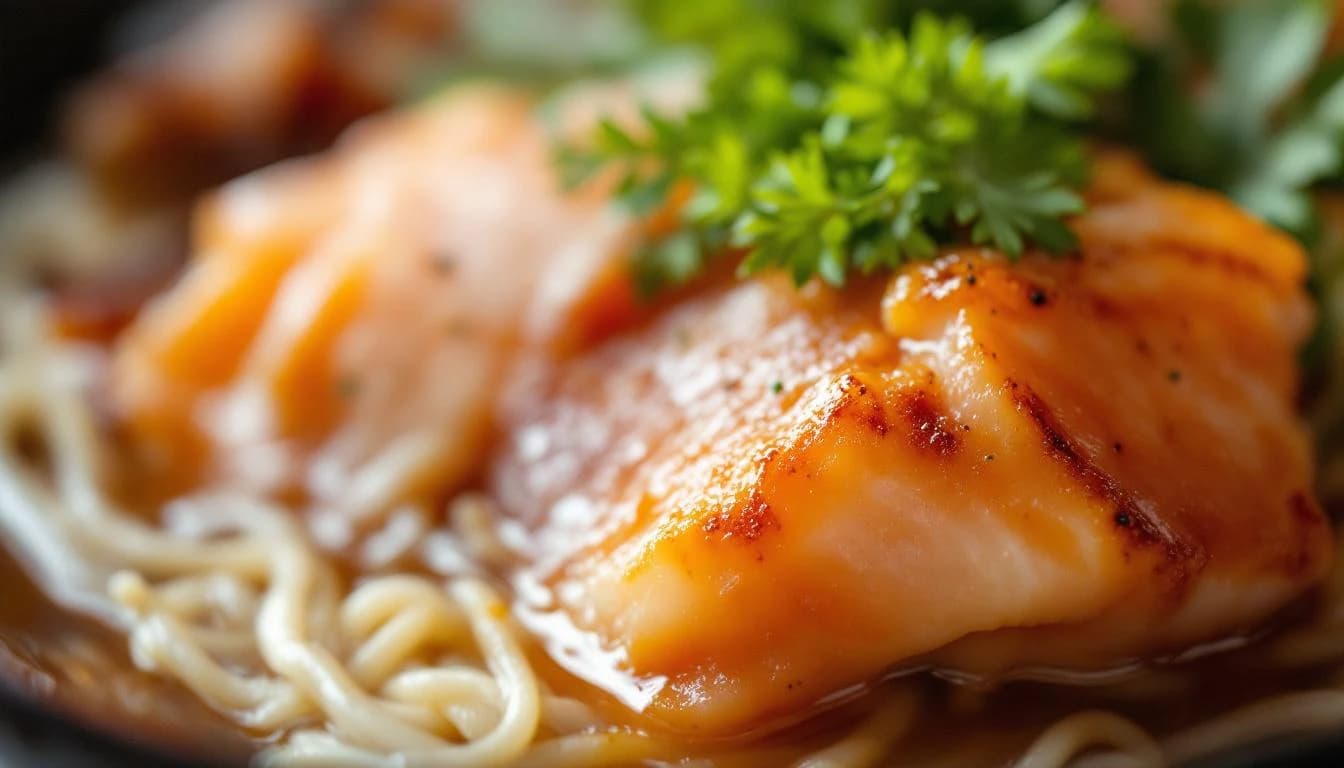
Best Restaurants in Tokyo 2026: Where to Find the City's Best Bites
Tokyo remains the undisputed culinary capital of the world in 2026, boasting more Michelin stars than any other city and an unparalleled diversity of dining experiences. From the hallowed halls of legendary sushi counters to the steaming bowls of perfect ramen tucked away in narrow alleys, the Japanese capital continues to evolve while honoring its deep culinary traditions. Whether you're seeking the best bite of pristine sashimi or innovative kaiseki presentations, these restaurants represent the pinnacle of Tokyo's dining scene.
The Essential Tokyo Restaurant Guide
Tokyo's restaurant landscape spans from intimate eight-seat counters where masters craft each piece by hand to bustling izakaya where locals gather over grilled yakitori and cold beer. The city's culinary excellence stems from its unwavering commitment to perfection, seasonal ingredients, and techniques passed down through generations. Food & Wine has consistently praised Tokyo for maintaining the world's highest density of exceptional restaurants, while the James Beard Foundation recognizes the city as a global culinary trendsetter.
Legendary Sushi Temples
Jiro Honten
The most famous sushi counter in the world continues its legacy in Ginza, where the legendary master's techniques have been passed down through generations. This Michelin three-star establishment serves omakase-only experiences that represent the absolute pinnacle of Edomae sushi. The restaurant's commitment to sourcing the finest fish from Tsukiji's successor, Toyosu Market, and aging techniques that enhance each piece make this the ultimate sushi pilgrimage. Reservations are notoriously difficult and must be made through a hotel concierge. ($$$$)
Kyuboshi
Located in Ginza, this intimate counter serves some of Tokyo's most innovative sushi, where traditional techniques meet contemporary presentations. The chef's background in French cuisine brings subtle influences to the preparation while maintaining deep respect for Japanese tradition. Bon Appétit has praised the restaurant's ability to surprise even the most seasoned sushi enthusiasts. The seasonal omakase changes monthly to showcase the finest available fish. ($$$$)
Ramen Revelations
Ichiran Shibuya
While this popular chain has locations worldwide, the original Tokyo shops in Shibuya still serve some of the city's most satisfying tonkotsu ramen. The individual booth system allows diners to focus entirely on their bowl, while the customizable spice levels and noodle firmness ensure the perfect personal experience. This represents the best bites of accessible, high-quality ramen culture that defines Tokyo's street food scene. ($)
Ramen Yashichi
Tucked away in a narrow alley in Shibuya, this tiny counter serves extraordinary shio ramen with a clear, deeply flavorful chicken broth. The master spent decades perfecting his technique, and each bowl represents hours of careful preparation. Food & Wine has highlighted this as one of Tokyo's essential ramen experiences for serious enthusiasts. The restaurant only seats eight people, and there's often a queue. ($)
Kaiseki Excellence
Kikunoi
This three-Michelin-starred restaurant in Higashiyama represents the pinnacle of kaiseki dining, with a history spanning over 400 years. The seasonal presentations showcase the philosophy of Japanese cuisine through meticulously prepared courses that reflect the natural world. Each dish tells a story through ingredients, presentation, and technique that has been refined across generations. The restaurant's garden setting enhances the meditative dining experience. Reservations required weeks in advance. ($$$$)
Narisawa
Chef Yoshihiro Narisawa's innovative approach to Japanese cuisine has earned recognition from the World's 50 Best Restaurants list. His "satoyama" philosophy incorporates ingredients from Japan's rural landscapes into sophisticated preparations that blur the lines between traditional and contemporary. The restaurant's commitment to sustainability and local sourcing reflects modern Japanese values while honoring culinary heritage. ($$$$)
Izakaya Culture
Torikizoku
This beloved chain represents the heart of Japanese drinking culture, where perfectly grilled yakitori meets ice-cold beer in a convivial atmosphere. The standardized menu and affordable prices make it accessible to everyone, while the quality remains consistently high across all locations. Time Out Tokyo regularly features this as an essential izakaya experience for understanding local dining culture. Multiple locations throughout the city. ($)
Kozasa
Hidden in the backstreets of Shibuya, this traditional izakaya serves exceptional grilled fish and seasonal vegetables alongside an impressive sake selection. The restaurant's commitment to sourcing from specific regions of Japan means the menu changes based on seasonal availability. The intimate setting and knowledgeable staff create an authentic neighborhood experience that locals treasure. ($$)
Tempura Mastery
Daikokuya
Operating since 1887 in Asakusa, this historic restaurant serves tempura that represents over a century of refined technique. The light, crispy batter and perfectly timed frying create tempura that melts in the mouth while maintaining the integrity of each ingredient. Garden & Gun has praised the restaurant's ability to maintain traditional standards while serving hundreds of diners daily. The lunch sets offer exceptional value. ($$)
Mikawa Zezankyo
This Michelin-starred tempura specialist in Kagurazaka elevates the art form through precise technique and exceptional ingredients. The chef's background in French cuisine influences the selection and presentation of vegetables and seafood, creating tempura that surprises even Japanese diners. The intimate counter setting allows guests to watch the master work. Reservations essential. ($$$)
Modern Japanese Innovation
Den
Chef Zaiyu Hasegawa's playful approach to kaiseki has earned international acclaim and a spot on the World's 50 Best list. The restaurant's "fun and emotional" philosophy transforms traditional Japanese techniques into memorable experiences that delight and surprise. Each course tells a story, often incorporating elements of humor and theatricality while maintaining serious culinary excellence. The restaurant's warm hospitality makes fine dining approachable. ($$$$)
Florilège
This French-Japanese fusion restaurant in Shibuya represents the evolution of Tokyo's dining scene, where international influences merge seamlessly with local ingredients and techniques. The chef's French training and deep understanding of Japanese seasonality create dishes that feel both familiar and revolutionary. Conde Nast Traveler has featured this as essential dining for understanding modern Tokyo cuisine. ($$$$)
Neighborhood Gems
Katsukura
This family-run tonkatsu shop in Shibuya has been serving perfectly fried pork cutlets for over 50 years. The technique passed down through three generations ensures each cutlet has the ideal crispy exterior and juicy interior. The restaurant's commitment to sourcing premium pork and fresh oil daily creates tonkatsu that locals consider the neighborhood standard. The lunch sets include unlimited rice and miso soup. ($$)
Sushi Saito
Located in a residential area of Roppongi, this three-Michelin-starred establishment serves sushi that represents the absolute pinnacle of the craft. The chef's relentless pursuit of perfection in every aspect, from rice temperature to fish aging, creates an experience that transcends typical dining. The restaurant's exclusivity and the chef's dedication have made it legendary among sushi enthusiasts worldwide. Reservations through hotel concierge only. ($$$$)
Sweet Endings
Toraya
This historic confectionery has been serving traditional Japanese sweets since the 16th century. Their wagashi represent the pinnacle of the art form, with seasonal designs that reflect Japanese aesthetics and philosophy. The tea service accompanying each sweet creates a meditative experience that contrasts beautifully with Tokyo's urban energy. Multiple locations, with the Ginza flagship offering the full experience. ($$)
Making the Most of Tokyo Dining
Tokyo's restaurant scene requires advance planning for the most sought-after establishments. Many high-end restaurants only accept reservations through hotel concierges or require Japanese-speaking assistance. However, the city's incredible depth means exceptional food exists at every price point, from convenience store offerings that surpass many restaurants elsewhere to street food that represents centuries of culinary evolution.
The best strategy involves mixing planned reservations at destination restaurants with spontaneous discoveries in neighborhood markets and local streets. Tokyo's commitment to excellence means even the most humble establishments often serve food that represents generations of refined technique and unwavering standards.
Whether you're seeking the perfect bowl of ramen, experiencing kaiseki's seasonal artistry, or discovering the next generation of innovative chefs, Tokyo in 2026 continues to offer dining experiences found nowhere else on earth. Each meal becomes part of a larger story about Japanese culture, tradition, and the endless pursuit of culinary perfection that defines this remarkable city.
Photos: Photo for Best Bite Guide
You Might Also Like
 best of
Top 10 New Restaurants in Pittsburgh (2026)
Pittsburgh's dining scene is exploding with exciting new openings. From innovative Korean BBQ to elevated Appalachian cuisine, discover the best bites transforming Steel City.
 best of
12 Best Brunch Spots in Pittsburgh You Need to Try
From duck fat home fries to Korean-inspired benedicts, Pittsburgh's brunch scene delivers unforgettable weekend dining across neighborhoods like Lawrenceville and Shadyside.
 best of
12 Best Rooftop Bars in Pittsburgh for Skyline Views & Cocktails
From Strip District warehouses to downtown penthouses, Pittsburgh's rooftop bar scene offers stunning city views paired with craft cocktails and elevated dining.