
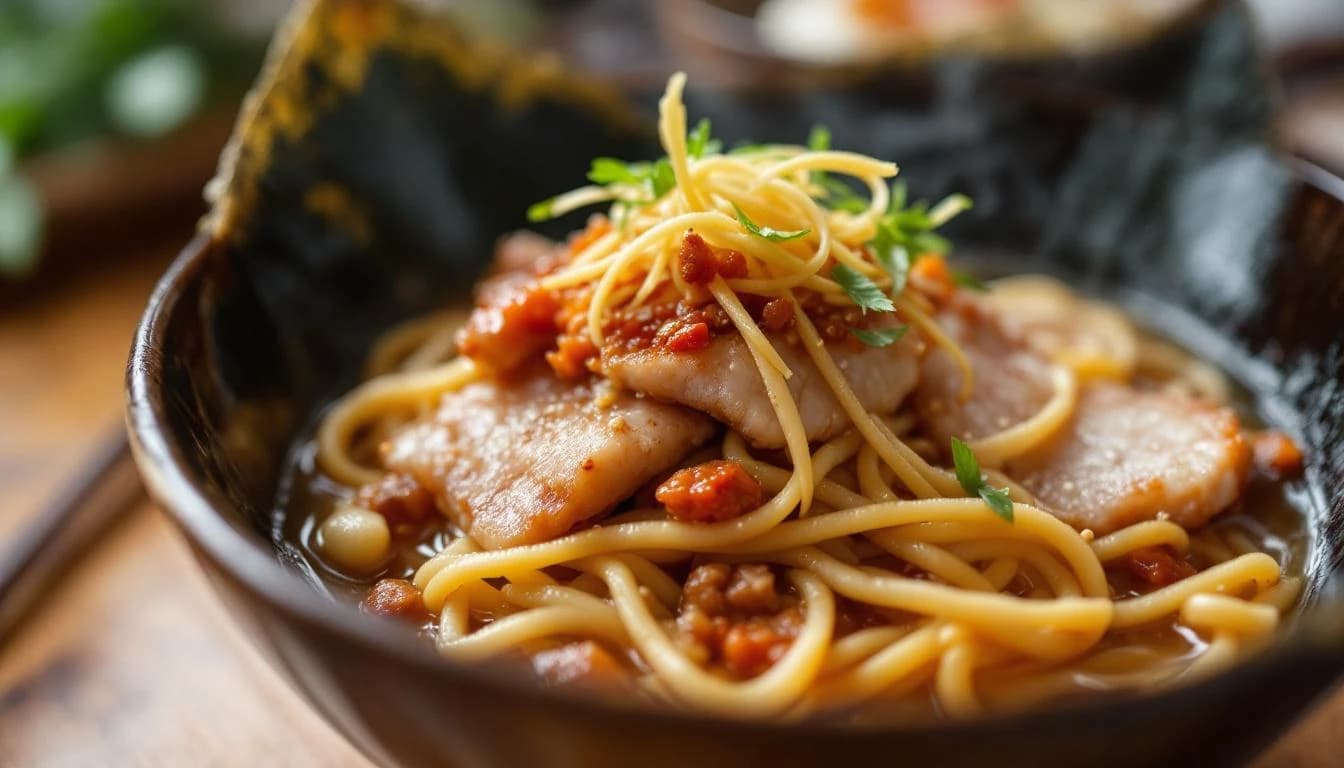
Top 10 New Restaurants in Tokyo for 2026
Tokyo's culinary landscape never stops evolving, and 2025 brought an exceptional wave of new restaurants that are already reshaping the city's dining scene. From boundary-pushing kaiseki to innovative takes on comfort food, these ten establishments represent the best bites the capital has to offer newcomers. Each venue on this list has opened within the last 18 months and has already earned recognition from food critics and local diners alike.
The New Guard of Tokyo Dining
The past year has seen Tokyo's restaurant scene embrace both tradition and innovation in remarkable ways. These new establishments showcase why the city remains at the forefront of global cuisine, with chefs who trained at legendary establishments now striking out on their own to create something entirely fresh.
1. Kagurazaka Minato ($$$$)
This intimate kaiseki restaurant in the historic Kagurazaka district made our top spot for its masterful interpretation of seasonal Japanese cuisine. The chef-owner, previously of a three-Michelin-starred establishment, presents an eight-course tasting menu that has food critics raving about its precise execution and creative presentation.
What sets Kagurazaka Minato apart is its commitment to hyperlocal sourcing, with ingredients arriving daily from specific farms and fishermen the chef has cultivated relationships with over decades. The dining room seats only 12, creating an intimate omakase experience that feels more like dining in a chef's private kitchen.
Why it made the list: Recognition by the James Beard Foundation and immediate inclusion in early Michelin Guide consideration discussions signal this restaurant's exceptional quality.
2. Shibuya Flame ($$)
Located in a narrow alley off Shibuya's main thoroughfares, this yakitori specialist has revolutionized the traditional grilled chicken experience. The open kitchen features a custom-built bincho charcoal grill where each skewer receives meticulous attention from the chef-grillmaster.
The menu extends beyond conventional yakitori cuts to include innovative preparations like duck breast with sansho pepper and wagyu beef heart with house-made tare. The sake selection, curated by a certified sommelier, perfectly complements the smoky flavors from the grill.
Why it made the list: Featured in Food & Wine's international roundup for its modern approach to traditional yakitori techniques and exceptional value proposition.
3. Ginza Moderne ($$$$)
This French-Japanese fusion restaurant in the heart of Ginza represents the new wave of cross-cultural cuisine that's captivating Tokyo diners. The chef, trained in both Lyon and Kyoto, creates dishes that honor both traditions while forging something entirely new.
The tasting menu might feature duck confit with miso glaze alongside perfectly executed French techniques applied to seasonal Japanese ingredients. The wine program focuses on natural French wines paired with carefully selected sake for a truly transcendent dining experience.
Why it made the list: Conde Nast Traveler highlighted it as one of the most exciting new openings in Asia, praising its innovative fusion approach.
4. Tsukiji Honten ($$)
Despite the famous market's relocation, this new sushi counter near the old Tsukiji site has captured the spirit of Tokyo's greatest fish market. The sushi master sources directly from Toyosu Market each morning, creating an omakase experience that showcases the best of Tokyo Bay's offerings.
The 18-piece omakase progresses through the seasons, featuring rare catches and traditional preparations alongside modern touches. The intimate eight-seat counter allows diners to witness the precise knife work and rice preparation that defines exceptional sushi.
Why it made the list: Early recognition from the Michelin Guide inspectors and consistent praise from Tokyo's sushi aficionados for its authentic approach to Edo-style sushi.
5. Roppongi Social ($$)
This modern izakaya in Roppongi has redefined casual Japanese dining with its sophisticated small plates and extensive natural wine selection. The menu changes weekly based on seasonal availability, ensuring repeat visitors always discover something new.
Standout preparations include house-made charcuterie with Japanese influences and vegetable-forward dishes that showcase the chef's innovative approach to traditional flavors. The open, convivial atmosphere makes it perfect for both intimate dinners and group celebrations.
Why it made the list: Time Out Tokyo named it one of the city's most exciting new openings, particularly praising its approachable yet sophisticated menu.
6. Asakusa Heritage ($$$)
Situated in Tokyo's traditional Asakusa district, this restaurant specializes in updating classic Japanese comfort foods for modern palates. The chef's background in both traditional Japanese cuisine and contemporary techniques creates familiar dishes with surprising depth.
The menu features elevated versions of dishes like katsu sandwich and yakisoba alongside more refined preparations that showcase seasonal ingredients. The sake menu focuses on smaller breweries, offering discoveries even for experienced sake drinkers.
Why it made the list: Garden & Gun featured it in their international coverage for its thoughtful approach to preserving Japanese culinary traditions while making them accessible to contemporary diners.
7. Harajuku Plant ($$)
This vegetable-focused restaurant in trendy Harajuku proves that plant-based cuisine can be both satisfying and innovative. The chef creates intricate dishes using only vegetables, fruits, and grains, resulting in a menu that surprises even committed carnivores.
Each dish showcases different preparation techniques, from fermentation to smoking, creating complex flavors and textures. The restaurant's commitment to sustainability extends to its sourcing, working exclusively with organic farms within Japan.
Why it made the list: Bon Appetit recognized it for pushing the boundaries of vegetable cookery while maintaining distinctly Japanese flavor profiles.
8. Ebisu Corner ($$)
This intimate ramen shop in Ebisu has gained attention for its innovative approach to the beloved noodle soup. The chef's background in French cuisine brings unexpected techniques to traditional ramen preparation, resulting in broths of remarkable clarity and depth.
The menu features three signature bowls that change seasonally, each showcasing different noodle styles and toppings. The attention to detail extends to house-made noodles and carefully sourced ingredients that elevate ramen to fine dining status.
Why it made the list: Serious Eats highlighted it as an example of how traditional ramen continues to evolve in innovative directions while respecting its roots.
9. Shinjuku After ($$)
This late-night dining destination in Shinjuku caters to Tokyo's after-hours crowd with a menu designed for sharing and socializing. The kitchen stays open until 2 AM, serving creative small plates that pair perfectly with the extensive cocktail and highball selection.
The atmosphere captures the energy of Shinjuku nightlife while offering food that goes far beyond typical bar snacks. Dishes like duck ramen sliders and wagyu beef tataki provide substantial options for late-night diners.
Why it made the list: The Infatuation praised it for filling a gap in Tokyo's late-night dining scene with quality food that matches the city's sophisticated palate.
10. Daikanyama Craft ($$$)
Located in the stylish Daikanyama neighborhood, this restaurant focuses on artisanal preparations of Japanese classics. The chef's meticulous approach to traditional techniques results in dishes that feel both familiar and revelatory.
The menu changes monthly to showcase seasonal ingredients, with each dish representing hours of preparation and attention to detail. The sake and shochu selection emphasizes craft producers, offering rare finds alongside established favorites.
Why it made the list: Travel + Leisure included it in their roundup of must-visit new restaurants, praising its dedication to craftsmanship and seasonal cooking.
Making Reservations
Most of these restaurants require advance reservations, particularly the higher-end establishments. Some accept reservations through hotel concierges, while others use online systems. For the most exclusive venues, booking 2-4 weeks in advance is recommended. Several offer lunch service at more accessible price points for those wanting to experience the cuisine without the full dinner commitment.
The Future of Tokyo Dining
These ten restaurants represent more than just new places to eat—they signal the direction Tokyo's dining scene is heading. The emphasis on sustainability, innovative techniques applied to traditional cuisines, and the integration of global influences while maintaining Japanese identity shows a culinary landscape that continues to evolve while honoring its roots.
Whether you're seeking the perfect sushi experience, innovative kaiseki, or casual izakaya fare elevated to new heights, these newcomers offer the best bites Tokyo's ever-evolving food scene has to offer. Each represents a unique vision of what Japanese cuisine can become while respecting the traditions that made Tokyo a global culinary destination.
Photos: Photo for Best Bite Guide
You Might Also Like
 best of
Top 10 New Restaurants in Pittsburgh (2026)
Pittsburgh's dining scene is exploding with exciting new openings. From innovative Korean BBQ to elevated Appalachian cuisine, discover the best bites transforming Steel City.
 best of
12 Best Brunch Spots in Pittsburgh You Need to Try
From duck fat home fries to Korean-inspired benedicts, Pittsburgh's brunch scene delivers unforgettable weekend dining across neighborhoods like Lawrenceville and Shadyside.
 best of
12 Best Rooftop Bars in Pittsburgh for Skyline Views & Cocktails
From Strip District warehouses to downtown penthouses, Pittsburgh's rooftop bar scene offers stunning city views paired with craft cocktails and elevated dining.